








Nankana Sahib (Zeeshan Gul Joiya) — A major development has emerged for millions of Christians in Punjab as the proposed Christian Marriage Act 2026 has been prepared, introducing significant reforms to the existing law after more than 153 years.
Key Legal Reforms
Under the proposed bill, both the bride and groom must be Christians, and the minimum age for marriage has been set at 18 years. Previously, the law allowed marriage at 16 for boys and 13 for girls, which no longer aligned with modern legal and social standards.
Marriage Registration with NADRA
One of the most important reforms is the mandatory registration of Christian marriages with Union Councils and NADRA. Under the current law, such registration is not formally recognized, often causing legal complications for Christian families.
Expanded Authority for Churches and Clergy
The proposed legislation allows all registered churches in Punjab to solemnize marriages according to Christian practices. Additionally, trained and certified pastors affiliated with government-registered churches will be authorized to conduct marriage ceremonies.
Previously, only the Catholic Church and the Church of England had legal authority to solemnize Christian marriages.
No Time Restrictions for Marriage Ceremonies
The new bill removes restrictions on the timing of marriage ceremonies. Under the existing law, Christian marriages could not be conducted after 6 PM. This change provides greater flexibility for families and churches.
Clear Definition of Marriage
The proposed law clearly defines marriage as a union between a man and a woman, replacing the previous broader definition of a contract between two parties.
Legislative Support
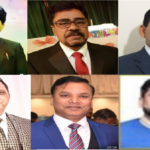
The bill has been submitted to the Punjab Assembly by Felibus Christopher as a private member. It has received support and consultation from Shakila Javed Arthur, Emmanuel Athar Julius, and Chaudhry Waseem Anjum Sandhu.
Hope for the Christian Community
This proposed law is seen as a significant step forward in addressing long-standing legal and social challenges faced by Christians in Pakistan. It promises better legal protection, improved documentation, and greater inclusion.