– By Shakeel Anjum Sawan
Introduction
The recent developments in Islamabad, the capital of Pakistan, have once again brought the issue of minority rights into the spotlight. Authorities have temporarily halted plans to demolish and evict three Christian-majority settlements, but the uncertainty surrounding their future continues to create fear among thousands of families.
This situation is not just about land or infrastructure—it is about people, dignity, and the fundamental right to shelter.
A Plan That Sparked Concern
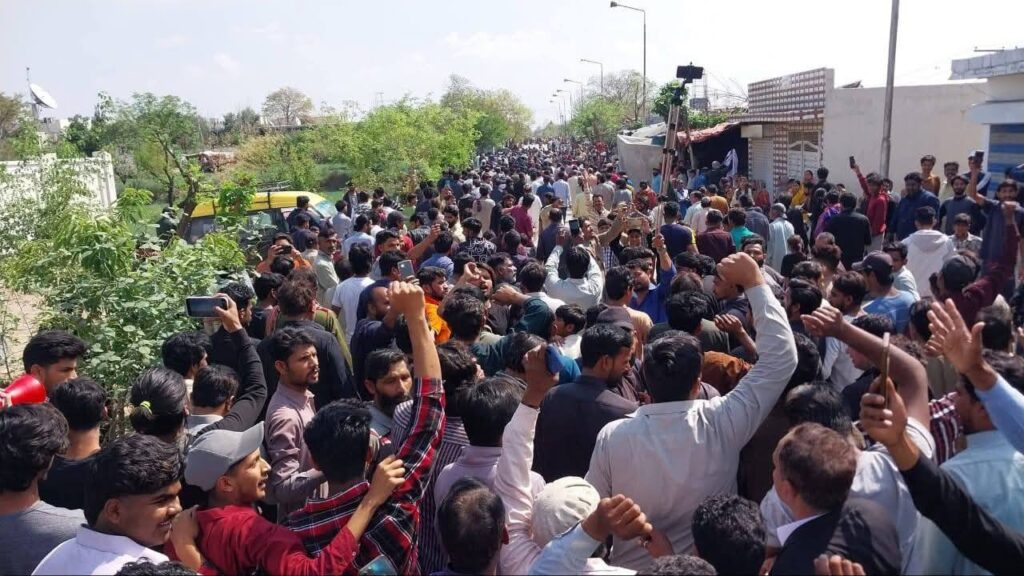
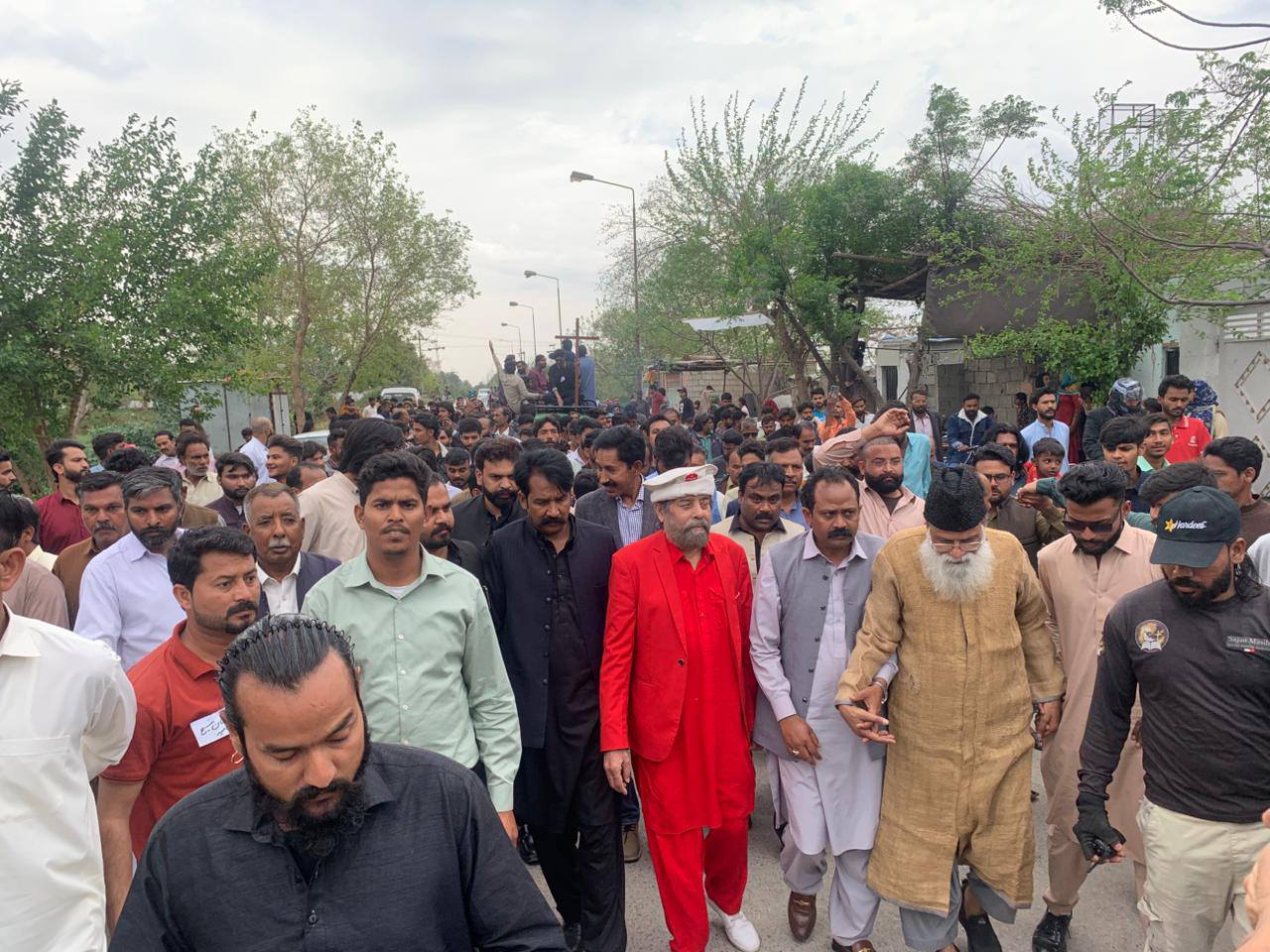
Earlier this month, city authorities announced a plan to evict nearly 25,000 residents, most of them Christians, in an effort to “reclaim government land” as part of Islamabad’s master plan.
While urban development is important, it raises a critical question:
Can development be justified if it comes at the cost of displacing vulnerable communities?
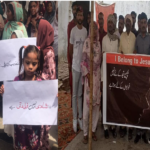
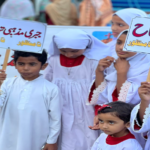
The announcement triggered widespread protests among residents, who refused to leave their homes without proper alternative arrangements.
Officials later confirmed that the operation has been “temporarily suspended” due to uncertainties linked to the ongoing Middle East conflict and fuel-related concerns.
A Temporary Pause, Not a Solution
However, they also made it clear that the plan is expected to proceed.
This has left thousands of families in a state of anxiety—unsure whether they will still have a home in the coming days.
A Community with a History
It is important to understand that these are not illegal occupants in the traditional sense. Many Christian families were relocated to these areas in the early 2010s after facing serious threats following false blasphemy allegations involving a minor, Rimsha Masih.
At that time, relocation was seen as a protective measure. Today, the same families feel abandoned.
Voices of Protest and Hope
Christian leaders, activists, and community members have come together to raise their voices peacefully.
Their demands are simple and just:
Provide alternative land
Ensure proper compensation
Respect human dignity
Church leaders have also assured support in case of emergency, including food and temporary shelter.
At the same time, human rights advocates are calling for legal action and public awareness to prevent forced evictions.
The government has emphasized its commitment to removing illegal settlements across Islamabad. While enforcing the law is necessary, it must be done with fairness, compassion, and responsibility.
The Role of the State
Forced evictions without rehabilitation do not solve problems—they create new ones.
A balanced approach is needed—one that combines development with humanity.
A Test of Justice and Humanity
This issue goes beyond three settlements in Islamabad. It reflects a broader question about how societies treat their most vulnerable citizens.
Will development include everyone, or will it leave some behind?
A just society is not measured by its infrastructure alone, but by how it protects the dignity of its people.
Conclusion
As this situation unfolds, there is a need for dialogue, wisdom, and compassionate leadership.
Let us raise our voices for justice, stand with those in need, and pray for peace and fairness in our land.
May God guide our leaders to make decisions rooted in justice and mercy. Amen.