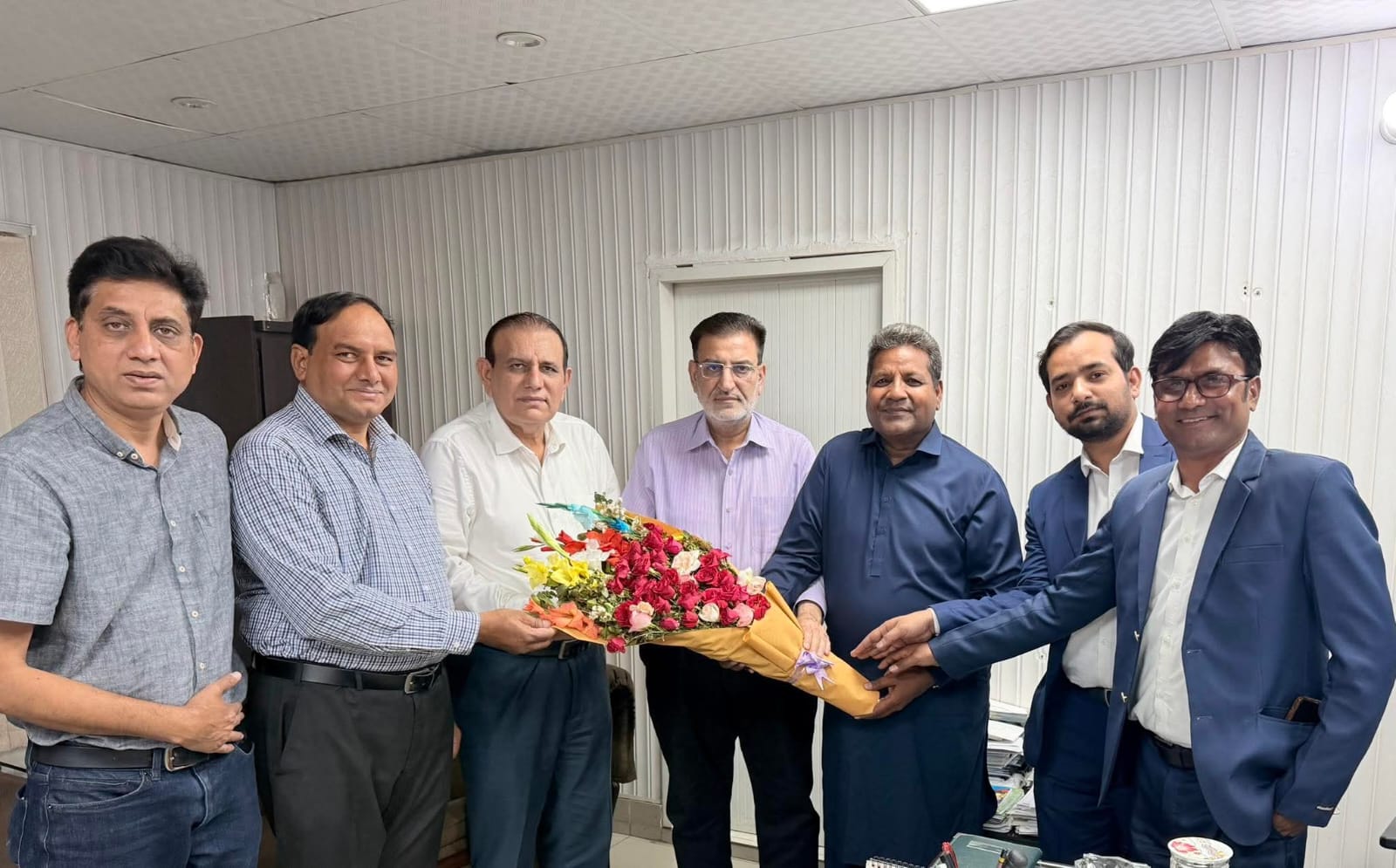
A significant and encouraging development has emerged for the Christian community in Pakistan as a delegation of the Pakistan Minorities Teachers Association (PMTA), led by Chairman Professor Anjum James Paul, held an important meeting with senior officials of the Punjab Education Curriculum Training and Assessment Authority (PECTAA).
This meeting marks a major step forward in ensuring equal educational opportunities for minority students in Pakistan.
Purpose of the Meeting
The primary objective of the meeting was to discuss the notification, publication, and implementation process of Christian curriculum textbooks. The PMTA delegation congratulated PECTAA officials on completing key stages of this long-awaited process.
The participants emphasized that timely distribution of these textbooks will enable Christian students to receive structured and meaningful religious education.
Key Members of the Delegation
The delegation included prominent educationists and community leaders:
Professor Dr. Daniel Yousaf – President Punjab PMTA
Professor Dr. Anil Samuel – President Lahore Division PMTA
Pastor Asghar Rehmat – President Okara PMTA
These individuals have long been advocating for minority education rights in Pakistan.
Senior Officials from PECTAA
The meeting was attended by key PECTAA officials who assured their full cooperation:
Aamir Riaz – Director PECTAA
Mehr Safdar Waleed – Deputy Director PECTAA
Danish Sarfraz – Subject Specialist PECTAA
Officials assured that the publication and rollout process will be completed efficiently.
A Positive Step for Minority Education
Experts believe this initiative represents a positive shift in Pakistan’s education system. It reflects growing recognition of the need to ensure inclusive and equitable education for all communities.
A Milestone for Minority Rights
The PMTA delegation described the meeting as a milestone achievement for minority rights and expressed hope for continued progress in the future.
They also urged authorities to expedite implementation so that students can benefit without delay.
Conclusion
This meeting demonstrates that collaboration between government institutions and community representatives can lead to meaningful progress. The approval and publication of the Christian curriculum is expected to strengthen educational inclusion in Pakistan.